
Explore the needs, relationships, practical work, and next chapters behind our founders.
Veterans needed help understanding their earned benefits. Andrew Davenport had the mission, but an organization also needs a clear identity, a place to connect, and a way to reach the people who need it.
Special Operations spouses face a transition of their own when military service changes. Teresa Shick created The Pillar Foundation to make sure they had education, resources, and people beside them.
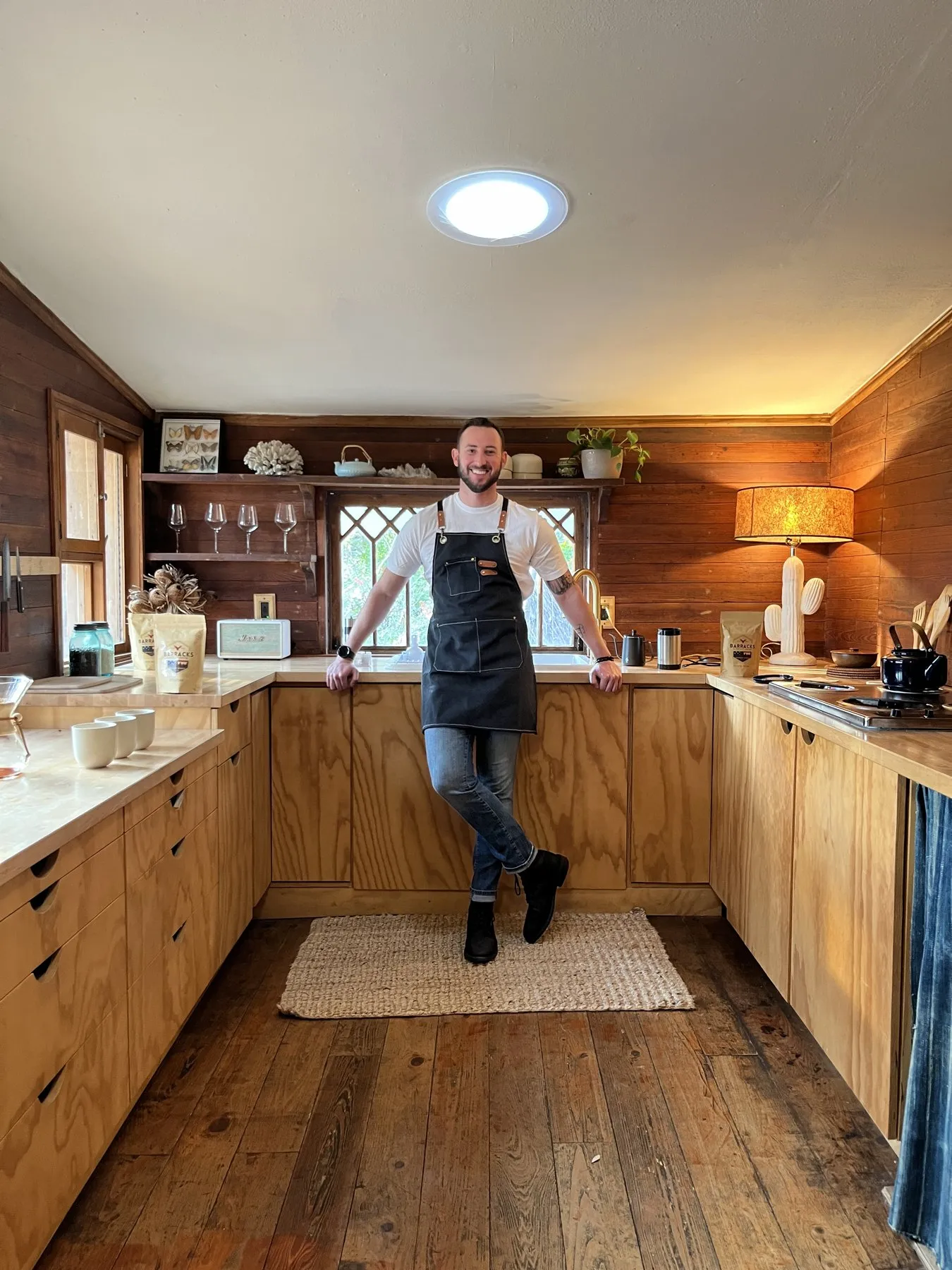
Darrin Henry was building a coffee company around hospitality and military community. Growing it meant making that purpose clear to customers, partners, and new markets.
Helping her husband find veteran resources revealed another gap: rural veterans needed connection as well as information. Michelle’s nonprofit needed a clearer focus and a way to bring people together.
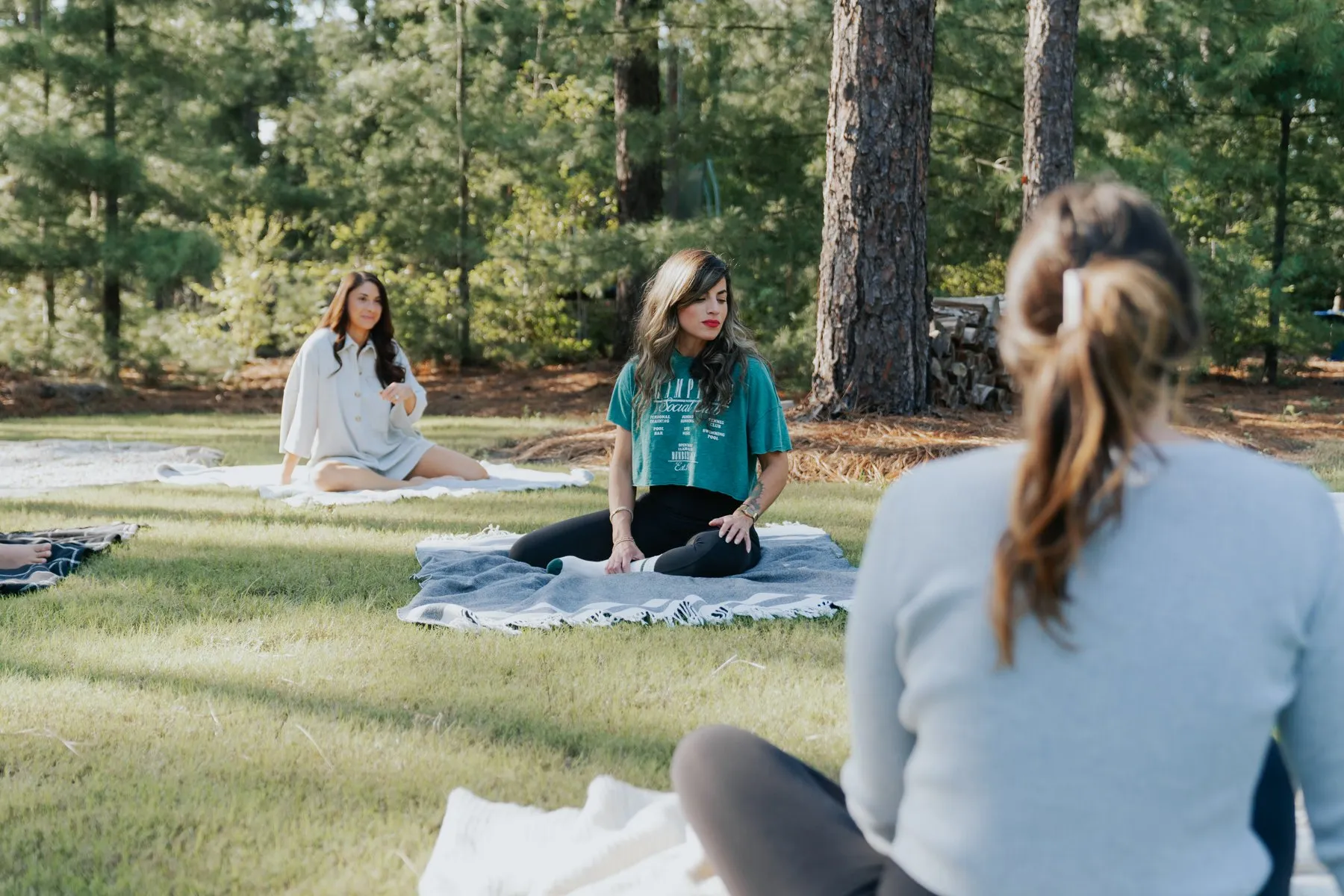
Alex had built meaningful local connections. As military transition approached, she needed a way for The CoVive™ to grow beyond one location without losing its human heart.
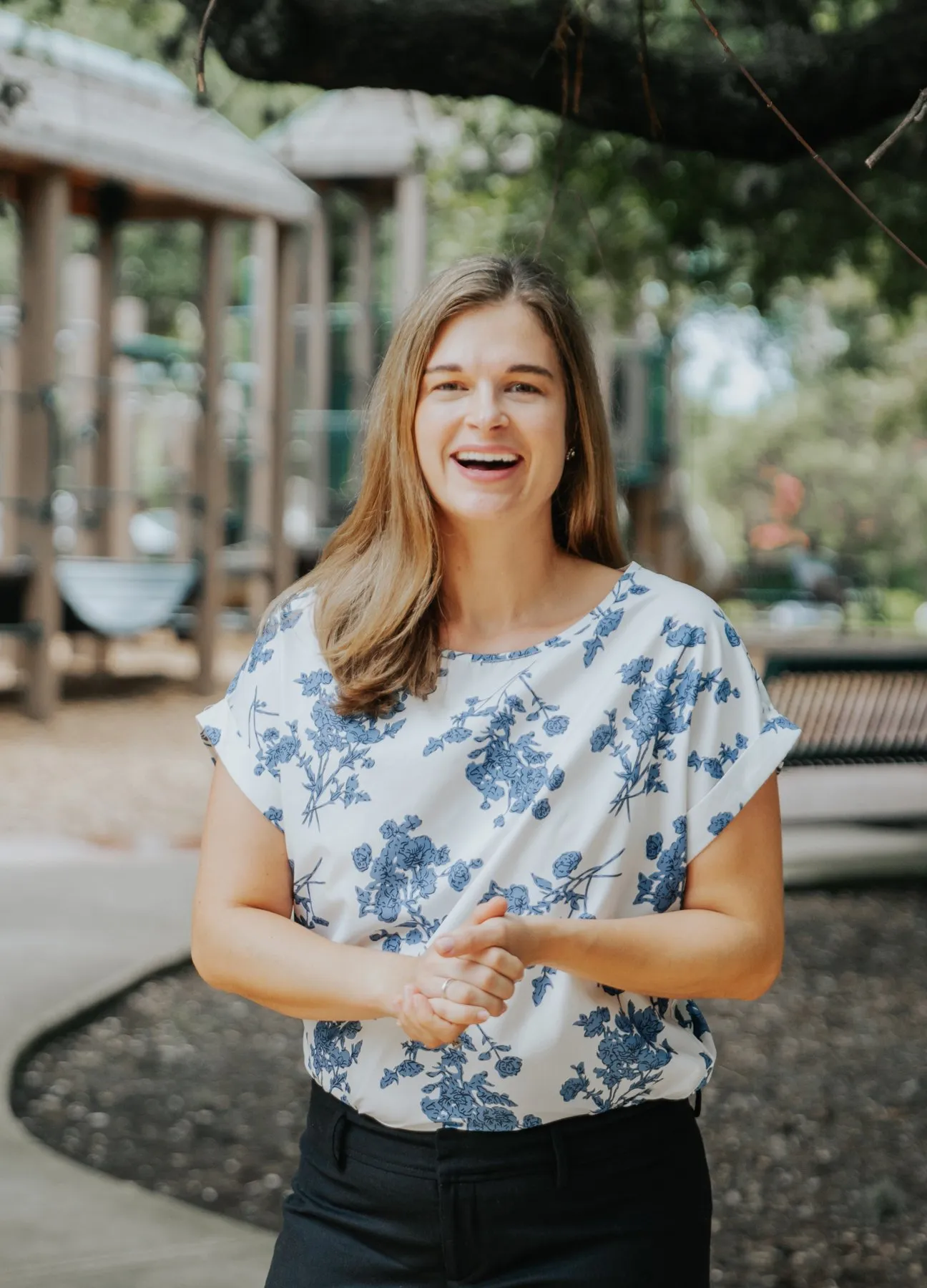
Kayla was helping military families find childcare resources while carrying the daily demands of running a nonprofit. Brand building and outreach competed for the same limited time.

Peyton arrived with a supplement-business idea. Conversations about her purpose revealed a stronger direction: helping women understand their bodies through education.
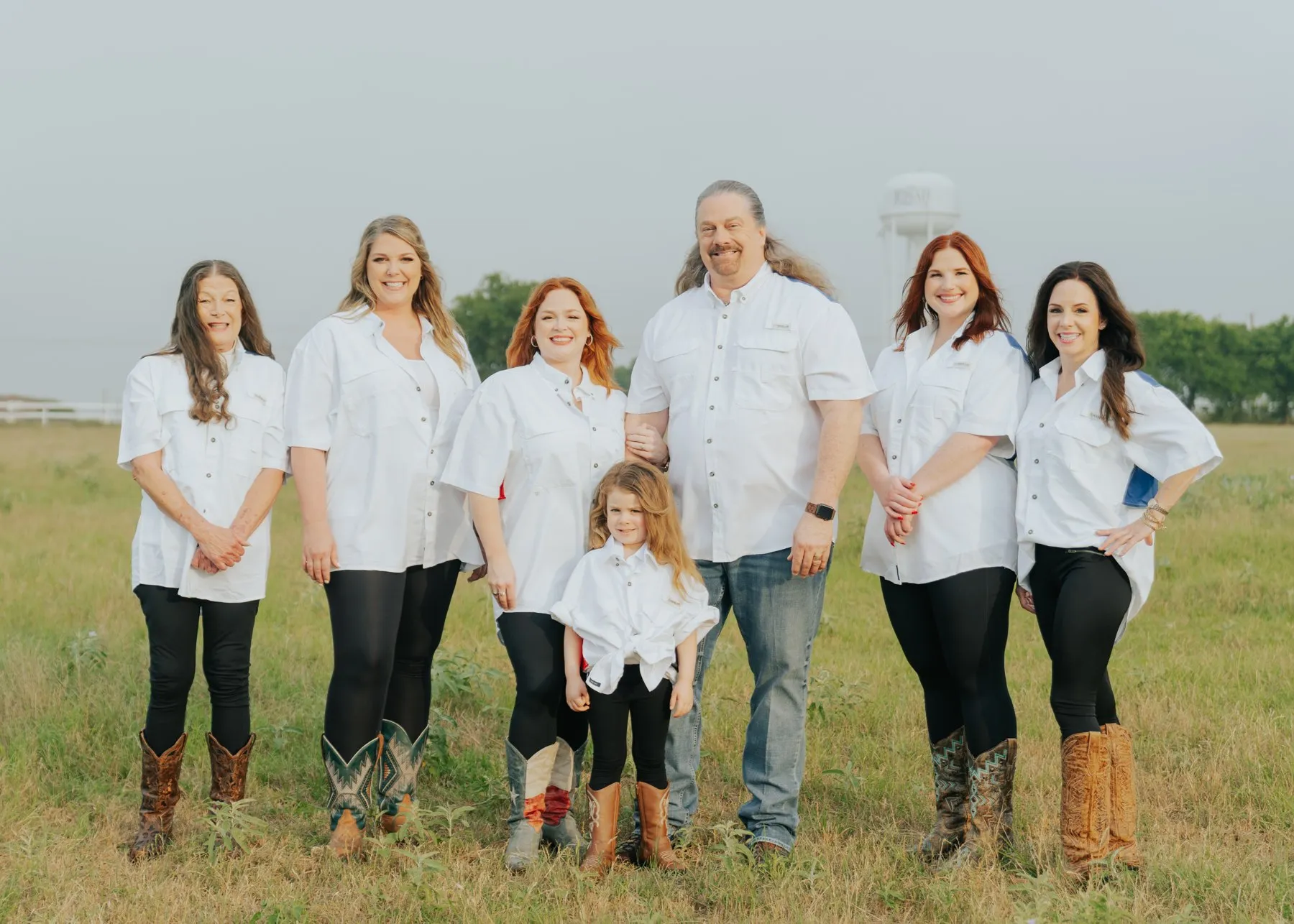
Marine veteran and author Todd Kelly needed his law firm’s presence to reflect the values he brought to his clients. He and his wife were already carrying the work of establishing the practice.

Veteran and esthetician Carla Ross wanted her experience to reach beyond a local practice. She needed a clear identity and a way to offer her work across locations.
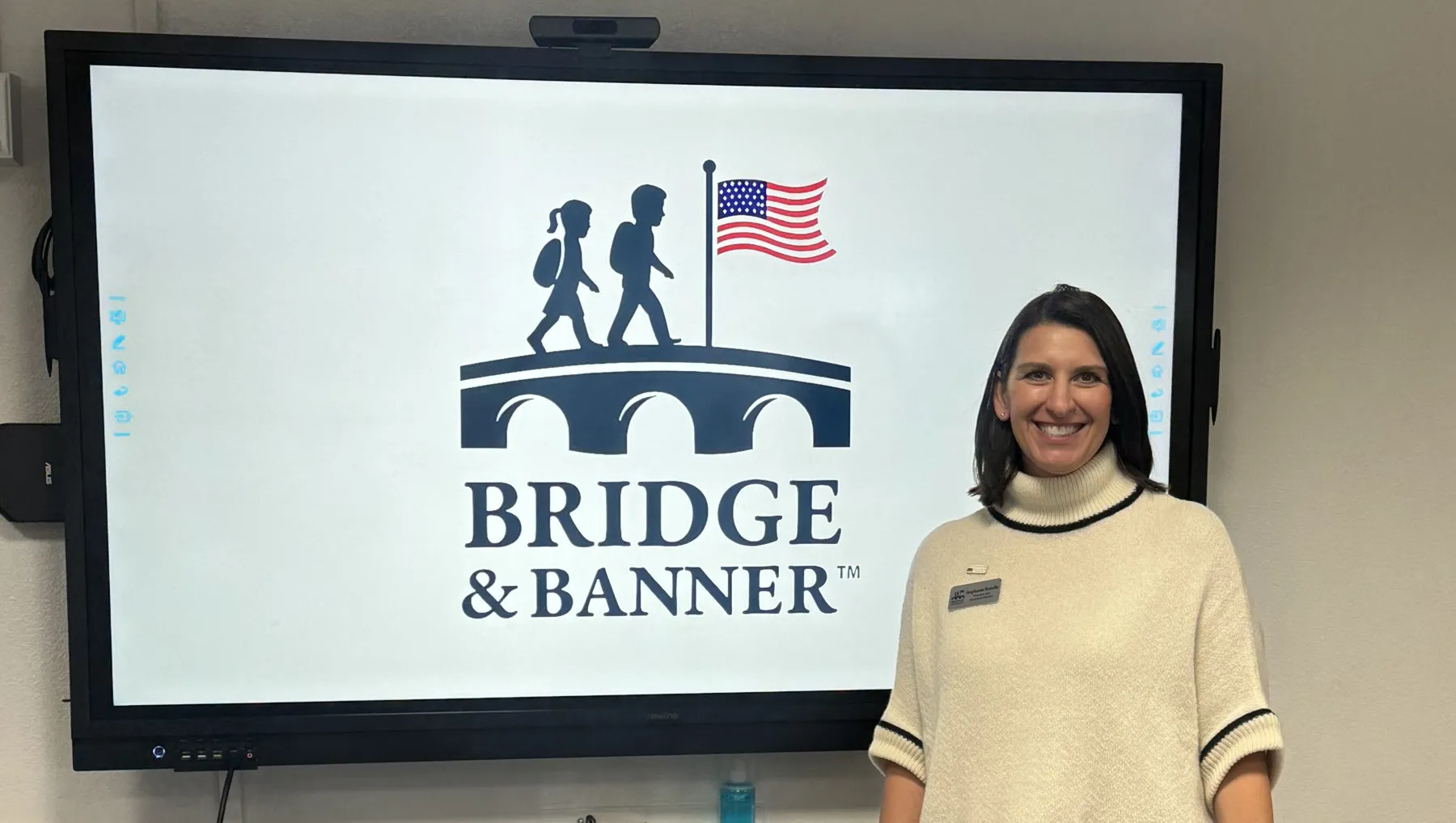
Stephanie Rundle saw how changing schools could interrupt military children’s learning. Bridge & Banner™ needed a public identity and relationships that could help its educational-continuity mission reach families and educators.
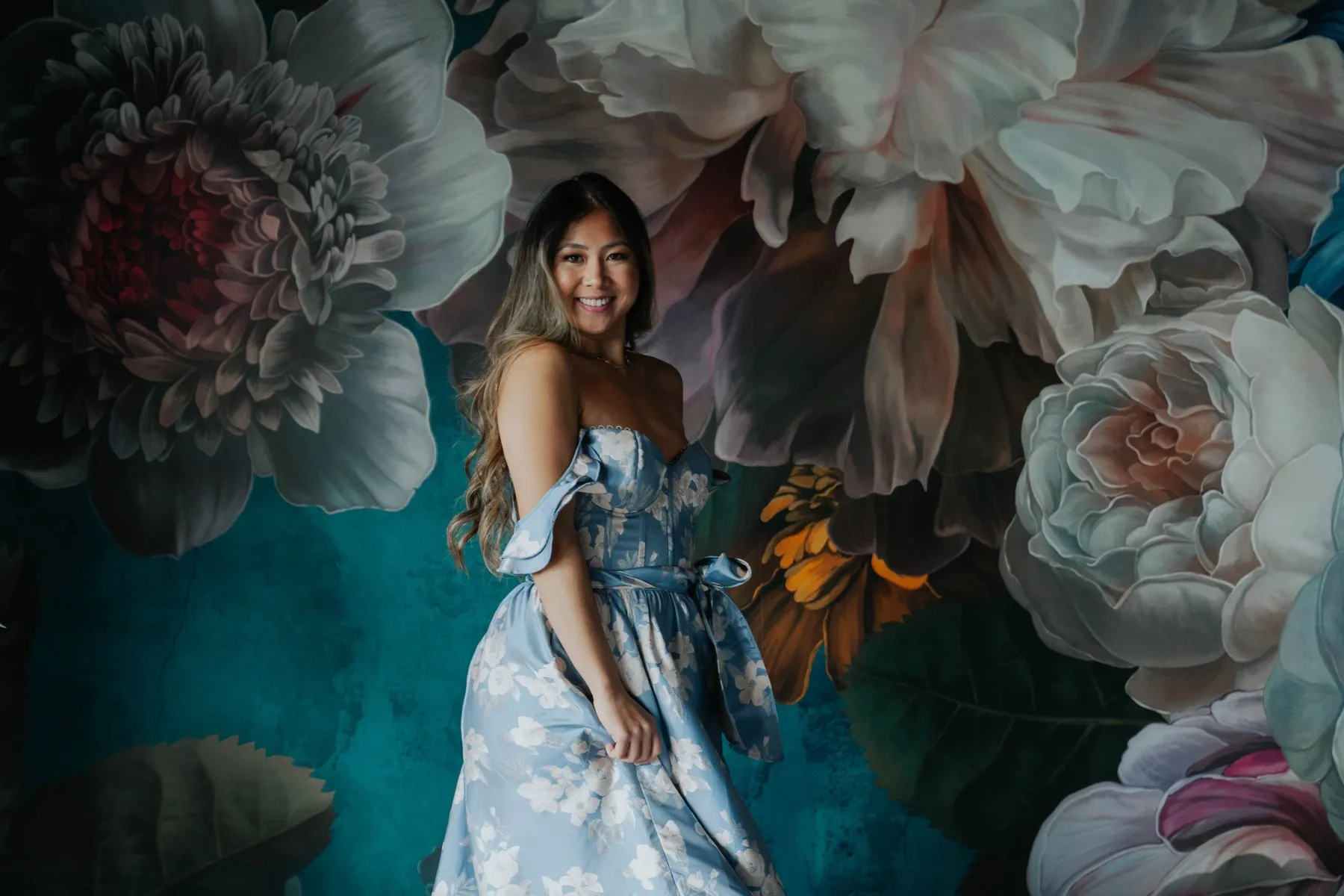
Kayla Pattle wanted to help women reconnect with their own thinking. Turning that purpose into an organization meant clarifying its identity, message, and public presence.
Bryan Hedrick
Bryan was preparing for life after active duty while his current responsibilities still shaped his schedule. He needed a business he could build deliberately before transition.
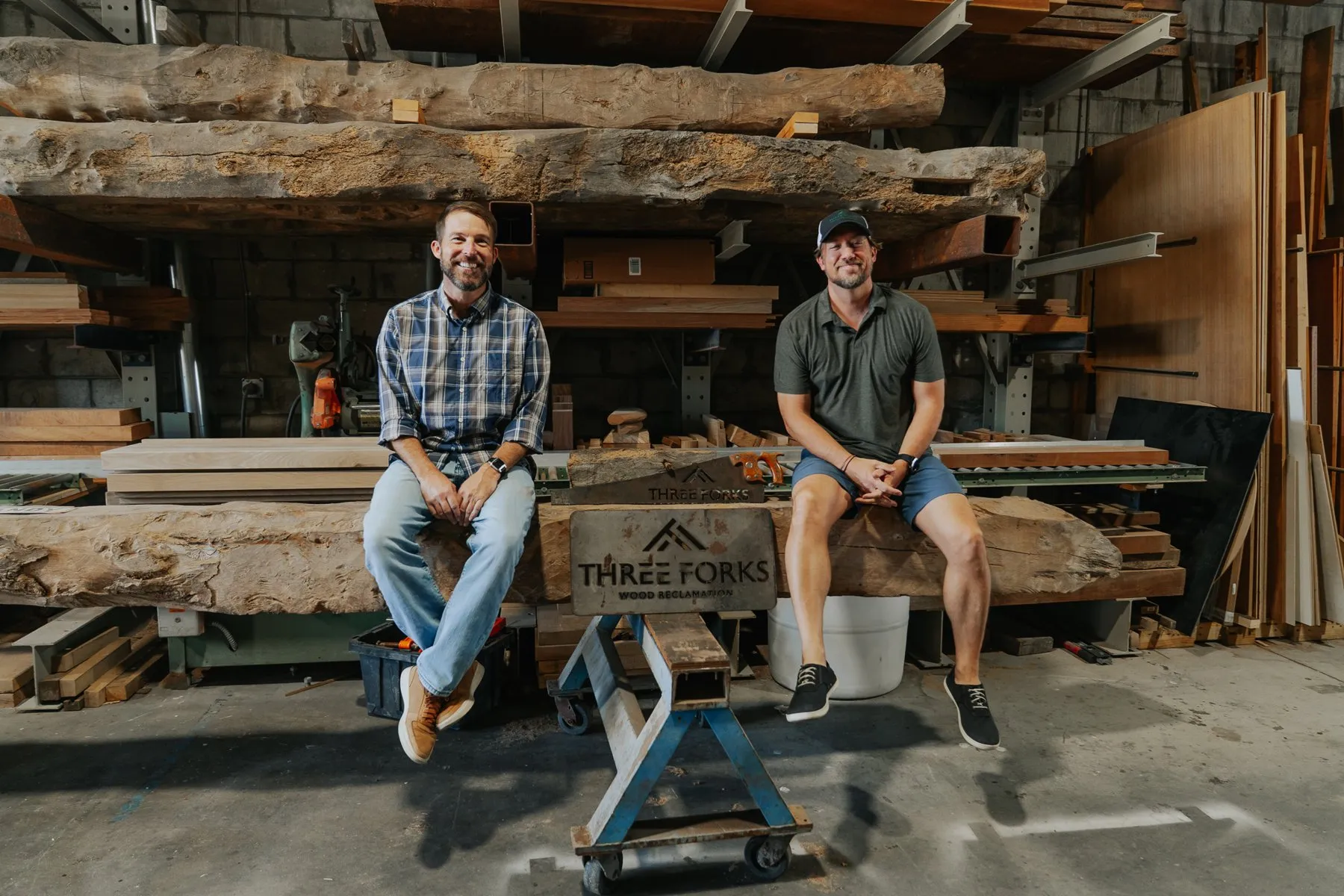
Chris and Christian reclaim historic timber for architects and designers. Their story, visual identity, and digital presence needed to communicate the care and provenance behind the materials.
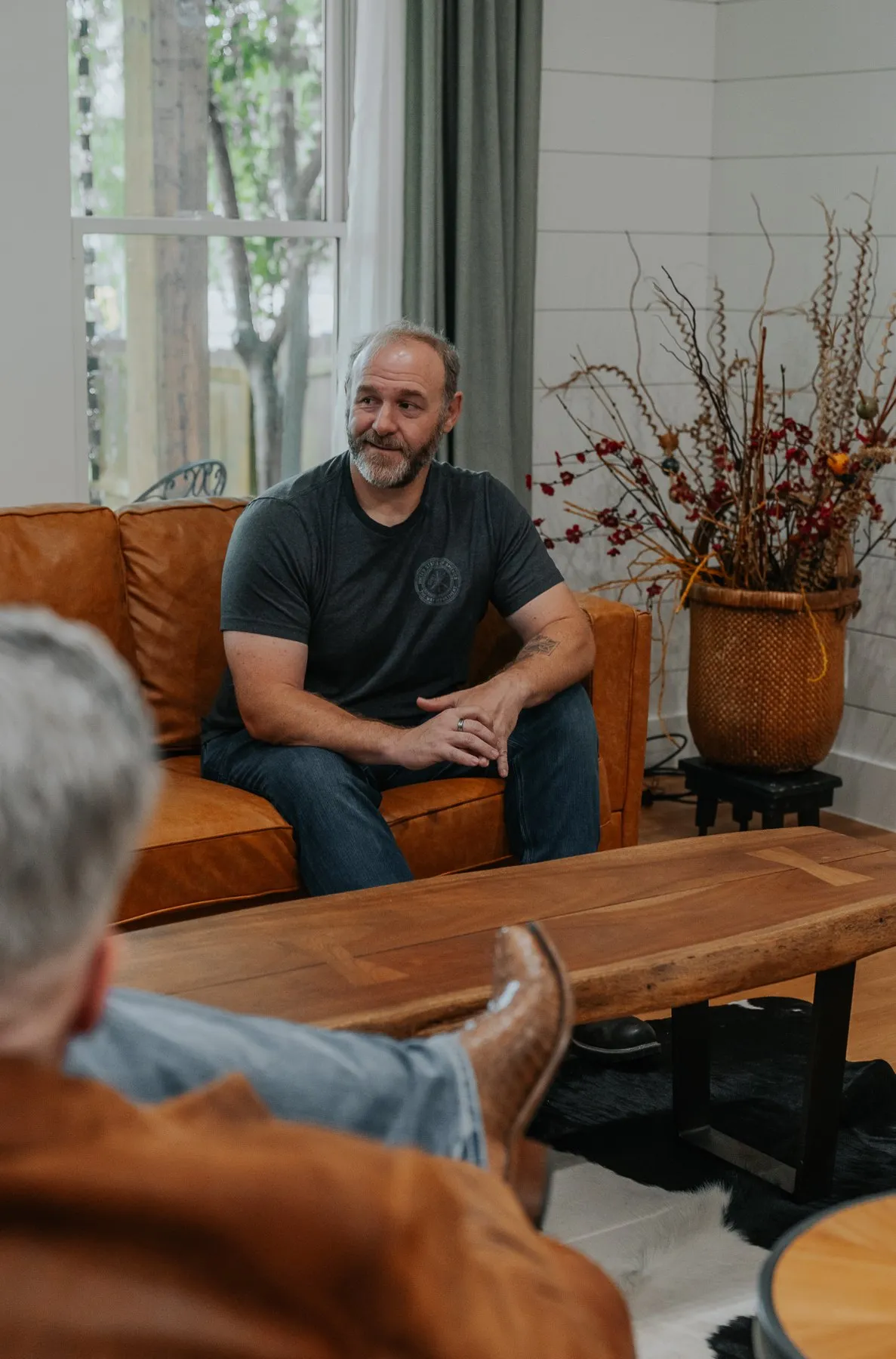
After Army Special Operations, Will developed counseling and leadership-coaching work for people carrying significant responsibility. The two practices needed distinct public identities.
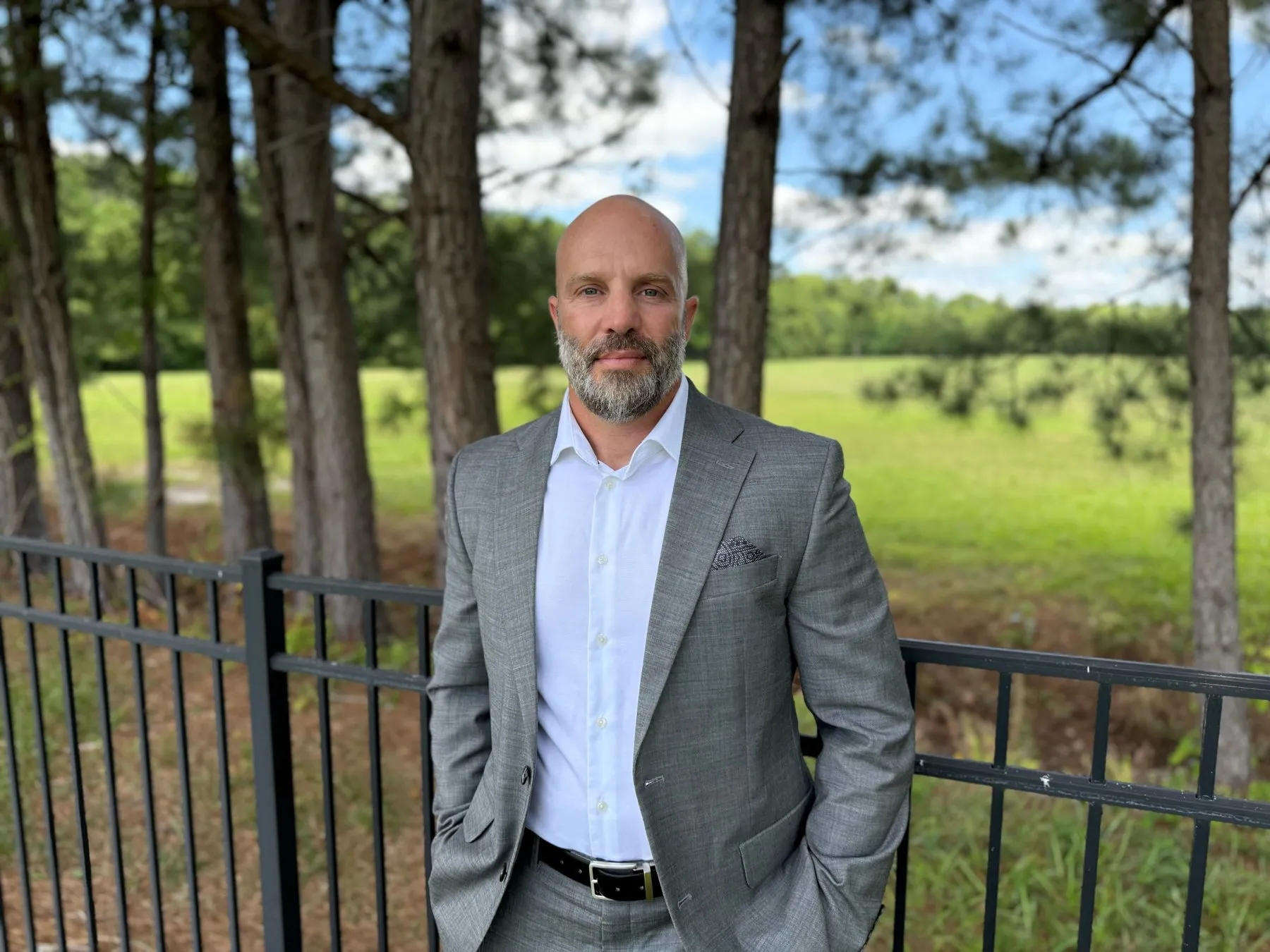
Clint’s work helps leaders prepare to perform under pressure. His public presence needed to make that purpose understandable to the organizations he wanted to serve.
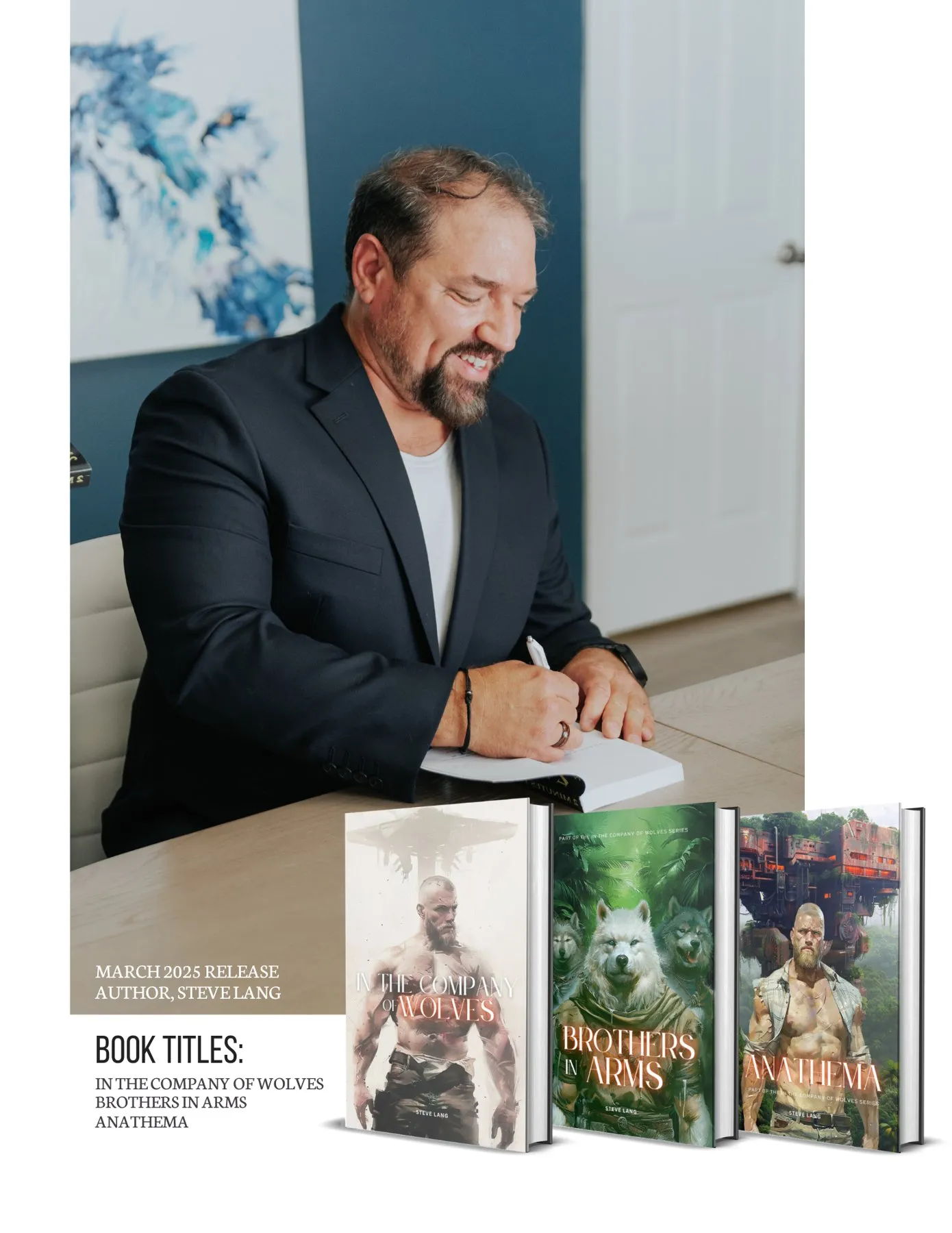
Air Force veteran Steve Lang wanted his science-fiction stories to reach readers and carry a legacy beyond his military career.